
Our story
Serving Lake Malawi communities since 1971
The Diocese is part of the Anglican Council of Malawi in the Province of Central Africa, deeply rooted in faith and community life.
Our background & identity
Rooted in Anglican faith, present in community life
The Anglican Diocese of Lake Malawi was carved from the former nationwide Diocese of Malawi and has been in existence since 1971. As one of the four dioceses in the Anglican Church in Malawi, it covers the central and northern regions of the country, bordering the beautiful Lake Malawi.
We are a vibrant community of faith, rooted in the Anglican tradition while being deeply engaged with the local culture and the challenges facing our people today. Our institutions work across health, education, and social services to uplift local communities.
Covering the Central Region of Malawi
The Anglican Diocese of Lake Malawi covers the entire Central Region of Malawi. Geographically, its boundaries stretch from the western border with Zambia across the central plains and districts, extending eastward to encompass the shores of Lake Malawi.
The see city and primary Cathedral, All Saints Cathedral, are located in Nkhotakota, while the Diocese also maintains a strong presence in Lilongwe. The Diocese is a key member of the Anglican Council of Malawi.
Provincial communion
The Diocese of Lake Malawi is under the Church of the Province of Central Africa (CPCA). The Most Revd Albert Chama serves as Archbishop and Primate of the Province.
Governance & Order
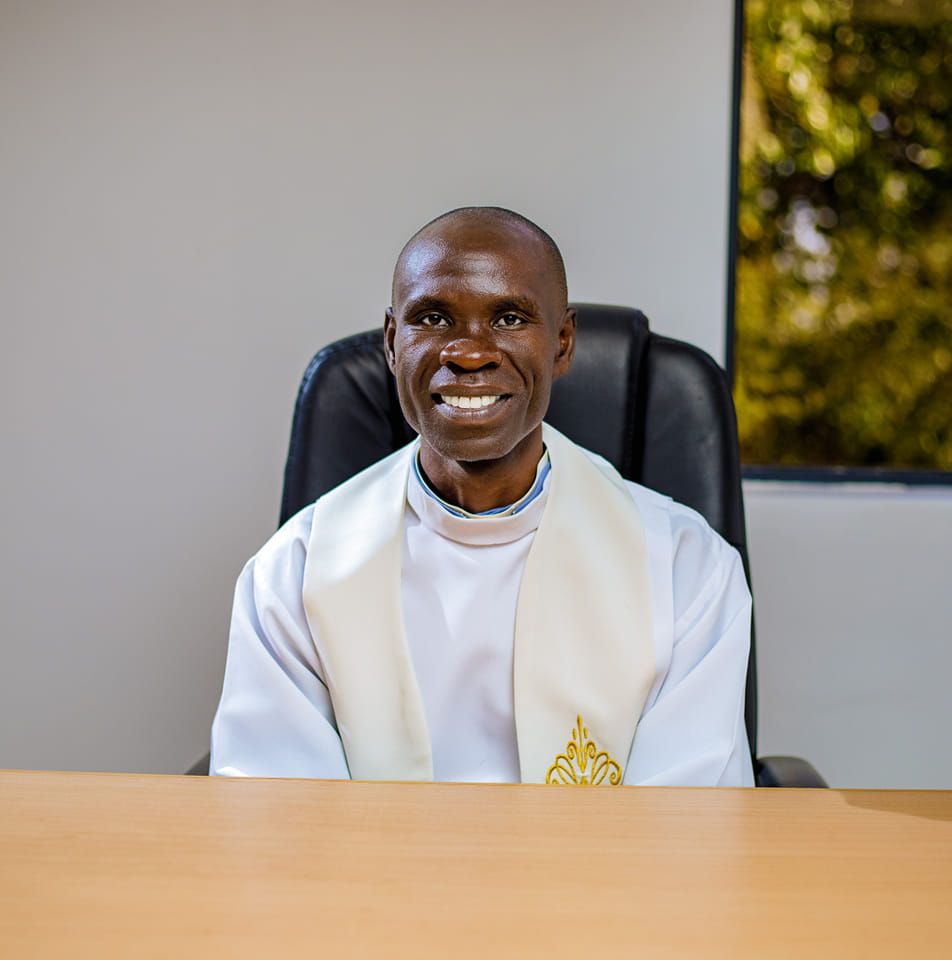
Different departments and institutions are guided by the Diocesan Secretariat, with the Bishop as head of policy. The Secretariat is responsible for administration and management while the Bishop focuses on pastoral issues and overall oversight.
How we serve
Departments, institutions, and community care
The Diocese actively serves the community through various thematic areas and established institutions, providing support where it's needed most.
Specialised Departments
Specialised departments form a key tier of the organization structure, reporting to the Bishop through appointments by the Diocesan Secretary.
-
01
Evangelism Coordinates evangelism programs and church organs.
-
02
Education & Projects Oversight for learning institutions, training, and projects.
-
03
Health Supports hospitals, clinics, and health programs.
-
04
Administration & Finance Provides support services for institutional sustainability.
Diocesan Institutions
In addition to churches, the Diocese operates several institutions under key thematic areas of health, education, and social care services.
Intervention of the Church
Through the Anglican Church in Development, we respond to critical community challenges under four key thematic areas.
Health & Care
HIV/AIDS, maternal and child health, TB, malaria, water, sanitation, and nutrition.
Education
Bursaries, adult literacy, early childhood development, girl child education, and school infrastructure.
Agriculture & Climate
Food security, permaculture, demonstration gardens, re-afforestation, and agro-forestry.
Youth & Women
Self-help initiatives, micro-loans, skills development, human rights, and anti gender-based violence campaigns.